If your semi-permanent eyeliner has started to look different from what you expected, it is easy to feel stuck with the result. Most people search for “eyeliner tattoo gone wrong,” but what they usually mean is semi-permanent eyeliner (SPMU), a cosmetic pigment implant rather than a traditional body tattoo. That difference matters because pigment can settle and behave differently in the delicate eye area. This guide explains what “gone wrong” can actually look like, why it happens, and what correction may involve.
First, Don't Panic
Early healing can make your eyeliner look uneven, darker, or patchy. That does not mean it is the final result. Migration, blurring, and colour shift are all possible, but they are not the only reasons eyeliner can look different during the first few weeks. Knowing the difference between temporary healing changes and genuine concerns is the first step before deciding what to do next.
What "Gone Wrong" Actually Looks Like
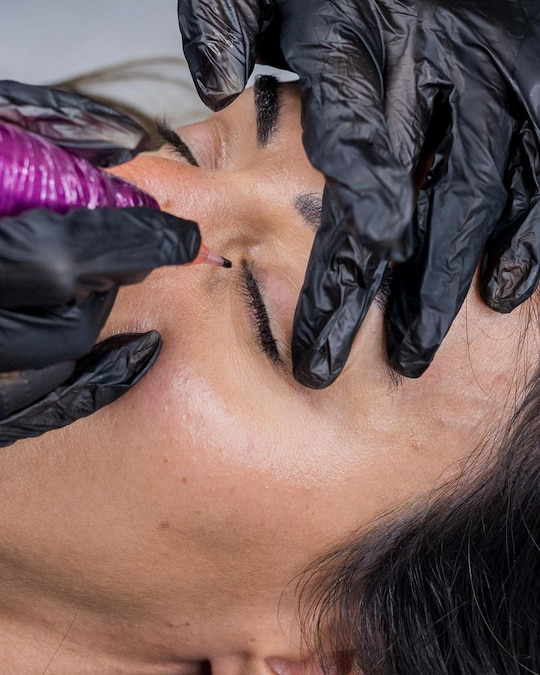
People often use “gone wrong” to describe several different outcomes. Separating them can help you understand what you are actually dealing with.
Migration (The Pigment Has Spread)
Migration can appear as fine, feathery lines or a soft haze of pigment extending beyond the original shape. It’s most often noticed along the lower lash line, or where denser, darker pigment was used. Instead of a clean edge, the line can look a little blurred and slightly spread outward.
Blurring (The Line Has Softened)
Blurring is different from migration. Over time, the pigment can soften at the edges, so a once-crisp line becomes less defined. This is a gradual change and does not necessarily mean something went wrong during the procedure. Many soft or shaded styles are designed to heal with a more diffused edge. When the softening becomes excessive or uneven, however, it may be worth having the area assessed.
Colour Shift
Some pigments can gradually shift towards blue-grey or ashy tones as they fade, particularly with certain skin tones or pigment formulations. This usually happens gradually and tends to become more noticeable months later rather than during the first few weeks.
Shape, Thickness, Or Placement Issues
Sometimes the concern has nothing to do with healing. The line may be thicker or thinner than expected, the wing may be uneven, or the placement may differ slightly between the two eyes. These are usually application or design issues rather than something that happens as the pigment settles.
Why It Happens
A few practical things can affect how semi-permanent eyeliner settles:
- Implantation depth: If the pigment goes in too deep, it’s more likely to spread. The skin around the eyes is thin and delicate, so getting the depth right matters.
- Skin type and oiliness: Oilier skin can change how well the pigment holds and how sharp the edges stay over time.
- Sun exposure: UV speeds up fading and can push the colour to shift before the result has fully settled.
- Aftercare: Touching the area, using oil-based removers, or not following SPF guidance can interfere with the healing process.
- Pigment density and style: Heavier, winged or densely shaded styles can make migration or blurring more noticeable than a fine tight-line or soft lash-line enhancement.
None of these factors mean a problem will occur, but they can help explain why two people may have very different results from similar treatments.
What Hasn't Changed Yet – Being Honest About Timing
During the first 7–10 days, your eyeliner can look uneven, darker, or flaky. This is a normal part of healing and is not the same as migration. The final result is usually not clear until around 4–6 weeks, once the pigment has settled and the surface skin has renewed.
A follow-up session between 4 and 12 weeks is a standard part of the process for many clients. It does not automatically mean that something went wrong. Judging the result before the healing period is complete can lead to unnecessary worry or premature correction.
What Correction Actually Involves
Correction is usually approached in stages:
- Wait and reassess after full healing
Many concerns that look worrying during the first two weeks become softer or less noticeable once the pigment has settled. Waiting until around 4–6 weeks, and ideally reviewing the result again at the scheduled follow-up, is usually the first step. - Colour correction or camouflage
If there is genuine migration or a colour shift, an experienced artist may be able to work with the existing pigment to rebalance the appearance. This can take more than one session and requires careful assessment of the current colour and placement. - Removal
If correction is not enough, removal may become an option. This is a separate process and is not usually the first recommendation. It should be considered only after the result has fully healed and other suitable approaches have been discussed.
Correction is more complex than a first-time application because the artist is working with existing pigment rather than starting from the beginning.
How to Choose a Specialist for Correction Work
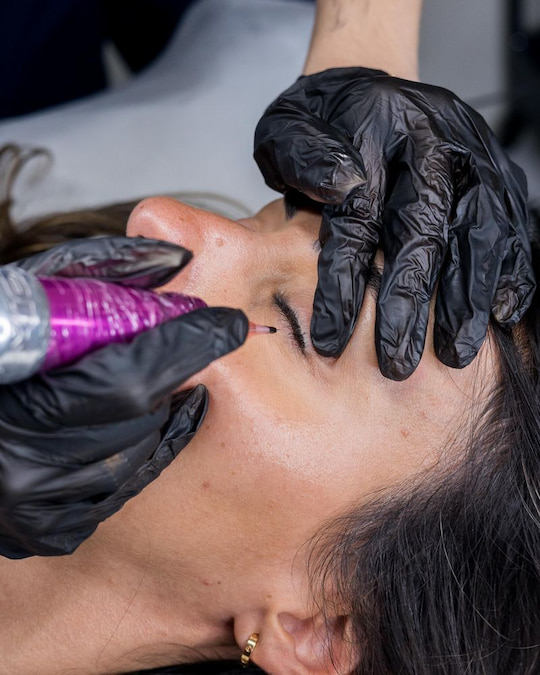
Correction requires a different skill set from a first-time treatment. When looking for help:
- Ask to see healed correction work, not just fresh results from first-time applications.
- During the consultation, ask how the artist would approach your particular case. Migration, colour shift, and shape issues can each require a different plan.
- Confirm that a patch test is offered before any further pigment is added.
A good consultation should feel like an assessment. The artist should be willing to explain what is realistic for your particular situation and what they would recommend before proceeding.
How to Avoid This Next Time
If you are planning new work or a future refresh:
- Follow the aftercare instructions carefully.
- Avoid oil-based removers and strong exfoliants near the area, and use SPF as advised.
- Do not skip the scheduled follow-up appointment.
- If you are unsure about the intensity, start with a subtler style, such as a fine lash-line enhancement, rather than a bold wing or heavy shading.
- Confirm that a patch test is part of the process before booking.
Removal is rarely the first step. Most concerns can be assessed and, where appropriate, improved once the healing process is complete.
Book a Consultation at Brau
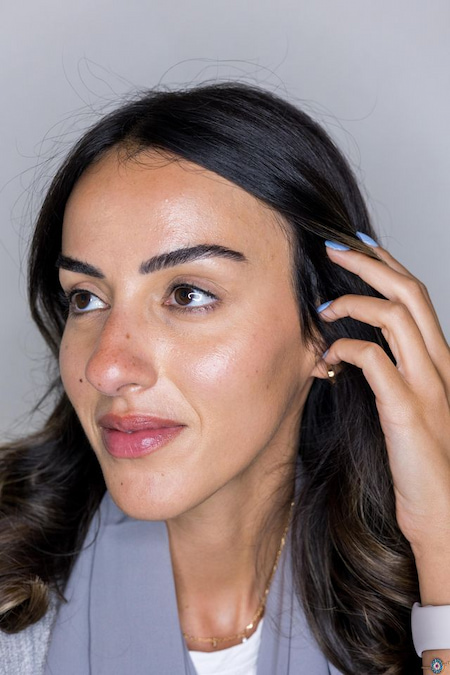
If your semi-permanent eyeliner has not healed the way you expected, book a consultation with Brau. Our artists can assess the current pigment, shape, and colour, explain what may be causing the issue, and talk you through the most suitable next steps. Studios are available in Dubai and Abu Dhabi. Book your semi-permanent eyeliner treatment with us.