Neither saline nor laser is universally better for microblading removal. The right choice depends on the colour and age of your pigment, your skin tone, and whether you need full removal or just enough fading for a correction. One important fact to know upfront: laser can darken warm brow pigments that contain iron oxides or titanium dioxide. This guide explains the key factors to consider so you can choose the method that suits your brows, not the marketing.
The Short Answer: Match The Method To Your Pigment, Not The Marketing
How Saline Removal Actually Works
A salt-based solution is implanted into the same channels as the original pigment. The solution encourages pigment to move toward the surface, where it leaves the skin as the area heals. A controlled scab forms and, as it sheds, carries pigment out of the skin.
Saline works across the full pigment mix, including reds, yellows and whites that laser often struggles with. A typical course is 3–6 sessions spaced 8–12 weeks apart so the skin can fully heal between treatments.
How Laser Removal Actually Works
Q-switched or picosecond lasers deliver short, high-energy pulses that shatter pigment into smaller fragments. The body’s lymphatic system then clears those fragments over the following weeks.
The laser tends to work best on black and dark brown pigment. Sessions are usually spaced 6–8 weeks apart. A full course typically runs 5–10 sessions and can span 8–20 months depending on density, depth and skin response.
The Laser Darkening Risk Nobody Sells You On
Many permanent makeup pigments contain iron oxides or titanium dioxide. Under the intense energy of a laser, these compounds can undergo a chemical reduction and turn grey or black almost immediately, a reaction known as paradoxical darkening.
Even when darkening does not occur, some clients see “sunset brows”: residual orange or yellow pigment that becomes visible once the darker particles have cleared. This is why a test spot is essential before committing to a full laser course on warm or mixed brow work.
Is Saline Really “Gentler” Than Laser?
Not automatically. Saline creates a deliberate open wound and forced scab, so it carries its own risks of scarring, texture change, and patchy pigment loss if aftercare is poor or sessions are too frequent. Laser is a controlled photothermal process with different risks (temporary colour shift, possible temporary hair whitening, and higher PIH potential on some skin tones).
Saline Risks
- Visible scabbing and longer surface healing
- Potential for scarring if scabs are picked
- Texture change or uneven pigment clearance
- Longer gap required between sessions
Laser Risks
- Paradoxical darkening of iron-oxide pigments
- Temporary colour shifts (pink/orange/yellow)
- Possible temporary whitening of natural brow hairs
- Post-inflammatory hyperpigmentation or hypopigmentation
Skin Tone Changes The Answer – Especially In The UAE
Fitzpatrick skin types IV–VI (common across Dubai and Abu Dhabi) have a higher risk of post-inflammatory hyperpigmentation and hypopigmentation from both methods. Saline’s scab phase and laser’s thermal energy each carry PIH potential on deeper tones. Conservative settings, careful wavelength choice and a mandatory patch/test spot become even more important. Sun exposure during the long gaps between sessions is also harder to manage in the Gulf climate.
How Fresh Is Your Microblading?
- Under 48 hours: Emergency saline can sometimes lift pigment before a full scab forms. Laser is not appropriate at this stage.
- Under ~12 months: Saline is usually the first choice because the pigment is still relatively close to the surface.
- 1+ years, fully healed and settled: Laser becomes more likely, always preceded by a test spot, especially if the colour has shifted.
Do You Actually Need Full Removal – Or Just Fading?
- Shape slightly off but colour still true → correction only (no removal needed).
- Want a cleaner base for a re-do → partial fade (fewer sessions, lower cost).
- Colour has turned grey, blue or orange → fade or remove first.
- Want it gone entirely → full removal course.
Many clients only need enough fading to allow a skilled artist to rebuild a better shape. Full removal is not always the goal. If you are weighing correction against removal, our guide to fixing bad microblading explains how to tell which one your brows need, and what to do while the pigment is still settling.
What About Glycolic Acid Removal And Removal Creams?
Glycolic and lactic acid treatments are another professional option. They work by chemical breakdown and are sometimes used when saline or laser is not ideal.
At-home creams, salt scrubs, and lemon juice cannot reach the dermis where microblading pigment sits. On the thin skin of the brow, they frequently cause burns, scarring, and permanent patchy pigment loss. The American Academy of Dermatology and every reputable clinic advise against them.
Sessions, Timeline And Cost: What To Actually Budget
Ask for a full-course estimate rather than the per-session price. In the UAE, the long gaps between sessions also mean strict sun avoidance across a Gulf summer, which affects both scheduling and aftercare diligence.
What Healing Looks Like
- Day 1–3: Redness and mild swelling are normal with both methods.
- Days 3–10 (saline): A scab forms and must be left to fall naturally.
- Weeks 2–8: Pigment continues to fade as the body clears it after laser treatment, or as healing progresses after saline removal.
No picking, no makeup on the area for about 10 days, and consistent sun protection are non-negotiable. For detailed preparation steps and full aftercare instructions, see our brow tattoo removal guide.
Frequently Asked Questions
How many sessions does microblading removal take?
Saline typically needs 3–6 sessions spaced 8–12 weeks apart. Laser usually needs 5–10 sessions spaced 6–8 weeks apart, often spanning 8–20 months for a full course. Fading for a re-do requires fewer sessions.
Will removal damage my natural brow hairs?
Laser targets pigment rather than the hair follicle, but strong pulses can temporarily whiten brow hairs. Saline is generally gentler on surrounding hair. In both cases, the effect is temporary as new hair grows.
Does microblading removal hurt?
Laser is often described as an elastic-band snap. Saline feels like a mild sting. Topical numbing is used for both, and discomfort is short-lived.
Can laser make my brows darker?
Yes, if the pigment contains iron oxides or titanium dioxide. This is why a test spot is essential before a full laser course on warm or mixed brow colours.
Is saline safer for darker skin tones?
Both methods carry PIH risk on Fitzpatrick IV–VI skin. Saline avoids the thermal component of laser, but the scab phase still requires careful management. A patch test is recommended regardless of method.
How soon can I have new microblading after removal?
Only once the skin is fully healed and the pigment has stabilised, typically several months after the final session, and only after professional assessment.
What if I only want to lighten the colour for a correction?
Partial fading is often all that is needed. Both saline and laser can be stopped once the base is clean enough for a skilled artist to rebuild.
Book A Removal Consultation At Brau
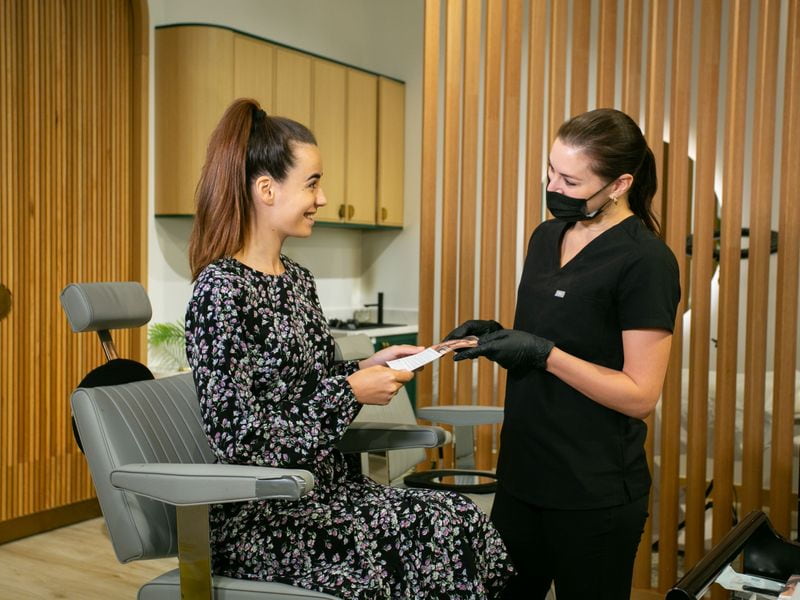
Brau offers professional saline removal alongside other clinical options. A free consultation lets us assess the pigment colour, age of the work, your skin tone and your goals, then recommend the safest approach, whether that's saline, laser, a combination of both, or simply enough fading for a correction.