Tired of stubborn acne scars that make every close-up photo a negotiation? Or fine lines that seem to appear overnight, uneven texture that no amount of primer can fix, and pores that look bigger every year? If you have ever stood in front of the mirror and wished for smoother, brighter skin without drastic measures, you are not alone. The good news is that there is a treatment that actually delivers noticeable, natural results with almost no downtime. It’s SkinPen.
SkinPen is one of the smartest, most trusted minimally invasive treatments out there right now. It’s straightforward, FDA-cleared, and gives real, natural-looking improvement without weeks of hiding at home. Thousands of people have quietly fixed the skin concerns that used to bother them most.
This guide will walk you through everything you need to know about Skinpen treatment in a clear, straightforward way: what it really is, how it works, what it can (and cannot) do, and exactly what happens before, during, and after. By the end, you will feel confident about whether it’s the right step for your skin.
What is SkinPen?
More Than Just Microneedling
SkinPen is the brand name of the world’s first FDA-cleared microneedling device. It’s a medical-grade, handheld pen that creates thousands of microscopic channels in the skin using tiny sterile needles. The official name for the procedure is Collagen Induction Therapy (CIT), because the whole point is to trigger your body to produce more collagen and elastin naturally.
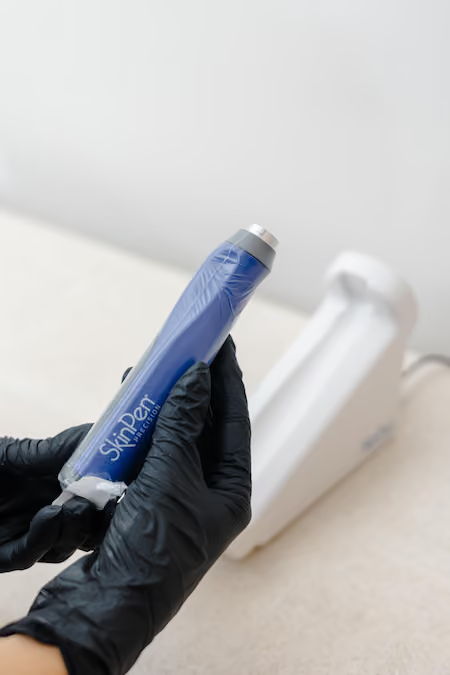
SkinPen vs. Traditional Microneedling (e.g., Dermarollers)
At-home dermarollers and professional Skinpen both fall under the microneedling umbrella, but they are not in the same league. Here is why SkinPen consistently comes out on top when real results and safety matter.
- FDA-Cleared: SkinPen was the very first microneedling device to earn full FDA clearance (initially for facial acne scars in adults 22+, later expanded to neck wrinkles). That clearance means it went through proper clinical trials proving both safety and effectiveness. Most rollers and many other pens have zero regulatory backing.
- Precision: Needle depth can be adjusted on the fly from 0.25 mm all the way to 2.5 mm. Your provider can stay superficial on thin skin around the eyes and go deeper on stubborn cheek scars in the same session. Rollers give you one fixed length and no control.
- Safety: Every treatment uses a brand-new, sterile, single-use cartridge that is opened in front of you and discarded immediately after. Reused or poorly cleaned rollers are a genuine infection risk.
- Mechanism: SkinPen stamps straight down and up at 100+ times per second, creating perfectly vertical micro-channels with almost no lateral trauma. Rollers literally drag and tear sideways as they roll, which can lead to more redness, longer healing, and even tiny scars in the wrong hands.
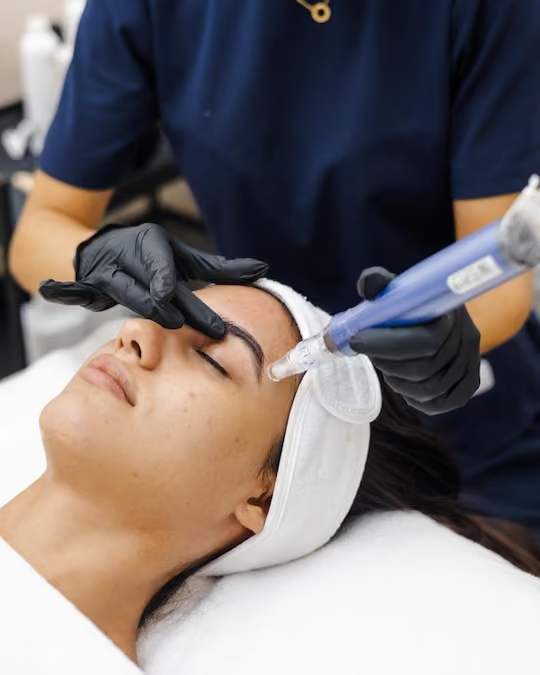
In short, a dermaroller is a budget DIY tool for mild upkeep. SkinPen is the professional, medical-grade option built for noticeable, predictable improvement without unnecessary risk.
How Does Skinpen Work? The Science of Skin Rejuvenation
The 3-Phase Healing Process
Your skin is incredibly smart. When it senses controlled micro-injuries, it starts a three-phase repair process that leads to firmer, smoother skin.
Phase 1: Inflammation (first 1–3 days)
The tiny channels trigger an immune response. Blood flow increases, growth factors are released, and the area is cleaned of debris. This is why your face looks red and slightly swollen immediately after treatment.
Phase 2: Proliferation (days 3–10)
Tissue starts to form again, and your skin starts to make new collagen and elastin, and new blood vessels grow to feed it. After a few days, you'll see that it starts to feel smoother and firmer.
Phase 3: Remodeling (week 4 to 6 months and beyond)
The new collagen matures and reorganizes into stronger, more structured fibers. Scars become shallower, wrinkles soften, and overall texture improves. This phase is why results keep getting better long after your last session.
Stimulating Collagen and Elastin
Skinpen doesn’t inject anything. It simply reminds your skin how to act young again by kickstarting its own production of collagen (for firmness) and elastin (for bounce). Because the results come from your own biology, they look completely natural.


What Skin Conditions Can Skinpen Treat?
Skinpen is versatile and works on all skin types and tones. Common concerns it improves include:
- Reducing acne scars (its primary FDA-cleared use)
- Softening fine lines and wrinkles, especially around the mouth, eyes, and neck
- Improving rough skin texture and dull tone
- Minimizing enlarged pores
- Lightening hyperpigmentation and sun spots
- Fading stretch marks on the body
The Skinpen Treatment Process: A Step-by-Step Guide
Before Your Appointment (The Consultation)
A proper consultation is essential. Your provider will examine your skin, discuss your goals, and review your medical history. You will be advised to avoid sun exposure, retinoids, and blood-thinning supplements for about a week beforehand.
During the Treatment (What to Expect)
Step 1: Your skin is thoroughly cleansed.
Step 2: Topical numbing cream is applied and left on for 30–40 minutes.
Step 3: A hydrating glide gel is spread over the treatment area.
Step 4: The provider moves the Skinpen across your skin in systematic passes. You feel a light buzzing sensation and mild vibration, often described as sandpaper. The actual needling takes 20–30 minutes.
Immediately After the Treatment
Your face will look pink to red, similar to a moderate sunburn. Some pinpoint bleeding is normal if deeper depths were used for scarring. The redness usually calms significantly within a few hours.
Skinpen Recovery, Aftercare, and Results
The First 24-72 Hours (Downtime)
Most people experience redness and mild swelling for 24–48 hours. The skin feels tight and dry, and light flaking can begin around day three. Downtime is genuinely minimal; many return to work the next day.
Essential Aftercare Rules
- No sun exposure and use SPF 50+ for at least two weeks
- No makeup, gym, sauna, or hot showers for 24 hours
- Use only gentle, approved post-care products (Skinfuse is the brand’s own line)
- Avoid active ingredients like retinol or acids for 5–7 days
When Will I See Results?
You often notice an immediate healthy glow from increased blood flow. Real improvement in texture starts around week three or four. Optimal collagen remodeling is visible three to six months after your final session.
How Many Skinpen Sessions Are Needed?
Most individuals get three to six treatments, with four to six weeks between each one. Three sessions may help mild concerns, but four to six sessions are usually needed for moderate to severe acne scarring.
Is Skinpen Safe? Potential Side Effects and Contraindications
Common and Expected Side Effects
Temporary redness, swelling, dryness, and light peeling are normal and resolve quickly. Serious complications are extremely rare when performed by a trained expert.
Who is Not a Good Candidate for Skinpen?
Avoid treatment if you have:
- Active acne, skin infections, or cold sores
- Active rosacea or eczema in the treatment area
- Pregnant or breastfeeding
- History of keloid scarring
Skinpen Treatment FAQs
- How much does Skinpen cost?
In the UAE, a single Skinpen session typically runs between 800 and 2,000 AED, though it can vary quite a bit by clinic, the area being treated, and how many sessions you book as a package.
- Does Skinpen treatment hurt?
Not much at all for most individuals. A numbing cream is applied beforehand that sits for 30 to 40 minutes, turning any potential prickles into just a light buzzing or sandpaper-like rub.
- Can Skinpen be combined with other treatments?
Sure can, and it's a smart move for better results. It's super common to pair it with PRP (that's platelet-rich plasma from your own blood), which gets drawn into those fresh micro-channels to super-boost collagen and heal. You can also mix it with things like LED light therapy or serums right after, but space them out a bit to let your skin recover.
- Do you peel after Skinpen?
Yeah, a little, but nothing dramatic like a full chemical peel. Around days 2 to 5, you might get some light flaking or dryness as the old skin sheds to make way for the new; it's your body's way of speeding up turnover. Just moisturize gently and don't pick; it fades quickly and leaves smoother skin behind.
- Is Skinpen better than other microneedling?
It really depends on what you're after, but Skinpen edges out a lot of the competition because it's the first (and only) FDA-cleared one for acne scars and wrinkles, with adjustable depths up to 2.5mm and those single-use sterile cartridges that cut infection risks way down.
- What is downtime after Skinpen?
There’s almost no downtime, and most people are back to their routine in 24 to 48 hours. You'll look pink and feel a bit tight, like after a sunny day at the beach, maybe some mild swelling, but makeup covers it by day two, and it all settles by day three. No real "hiding" needed unless you're super sensitive.
Is Skinpen Worth It?
If you’re dealing with acne scars, early signs of aging, or dull texture, Skinpen offers real, progressive improvement with almost no risk and very little interruption to daily life. It’s safe for all skin types, backed by solid clinical evidence, and produces results that look completely natural because they come from your own skin.
If smoother, brighter, more even skin sounds like something you want, book a personalized consultation with a certified Brau expert today. The process is straightforward, the science is sound, and the before-and-after photos speak for themselves. Your skin deserves this.