Standing in front of a treatment menu with ten options and no idea which one is actually right for you is a feeling I see every week. Age is not a skin type, but it does give us a useful starting point for understanding how skin changes over time. I’m a facialist at Brau, and this is the decade-by-decade map I use when clients ask me what to book and just as importantly, what to leave for later.
What Actually Changes in Your Skin Every Decade

From your late 20s onward, collagen production gradually slows, and changes in skin elasticity become more noticeable over time. Sebum production also tends to decrease with age, which is one reason skin that once handled oil-control products easily can start feeling drier or tighter. The skin barrier can also become less resilient, making irritation and dryness more common.
Sun exposure adds another layer. Over time, accumulated UV damage can show up as uneven tone, pigmentation, and fine lines that were barely noticeable earlier. None of this happens overnight, and the pace is different for everyone. It is the cumulative shift that explains why the facial that worked beautifully at 28 can feel underpowered at 42.
Your 20s: Build the Baseline, Don’t Chase Anti-Ageing

In your 20s, the main concerns are often congestion, breakouts, dullness and early signs of sun damage. The goal is prevention and a clean, consistent routine, not correction.
I see too many clients in their early 20s who have already layered retinol, acids, and physical exfoliants until the skin barrier is compromised. Start simple. If you struggle with congestion or dullness, a facial every six to eight weeks can help keep the skin clear and hydrated. SPF every single day is non-negotiable; everything else is secondary.
What To Book In Your 20s

- HydraFacial every 6–8 weeks if you want deep cleansing, extraction and hydration.
- Brau Signature Facial if you want a more customisable treatment based on what your skin needs that day.
- Dermaplaning as an add-on for a smoother, more even-looking texture.
What To Skip In Your 20s
Aggressive peels on otherwise healthy, unbothered skin. Excessive at-home exfoliation. Anything marketed as “preventative anti-ageing” that stresses a barrier that is already functioning well.
Your skin does not need to be fixed just because you are in your 20s. It needs to be protected, hydrated and treated according to what is actually happening on the surface.
Your 30s: The Correction Decade

This is when accumulated sun exposure often starts to become more visible, uneven tone, early fine lines and a general loss of radiance. Antioxidants such as vitamin C, ferulic acid and niacinamide become useful additions to a well-balanced routine, while gentle collagen-stimulating treatments can become more relevant.
The Million Dollar Facial, Step By Step
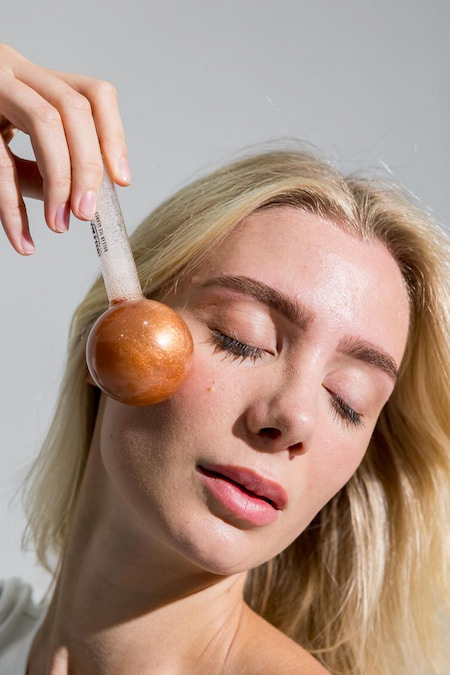
This is one of the treatments I recommend most often in the 30s when clients want a more intensive facial without committing to a longer recovery period. It is an eight-step, 60-minute protocol:
- Cleanse
- Steam
- Extraction
- Dermaplaning
- Skin needling
- Lymphatic drainage
- Custom mask
- Serum and finish
Million Dollar Facial is designed to refine texture, clear congestion, and leave the skin looking immediately fresher and more radiant. Because it includes skin needling, some temporary redness or sensitivity is possible, depending on the individual treatment and your skin.
HydraPen and BioRePeel are also options when tone, congestion or mild texture concerns need something beyond a classic facial. The right choice depends on your skin condition, sensitivity and treatment goals.
Beyond The Facial: What A Clinic Offers In Your 30s
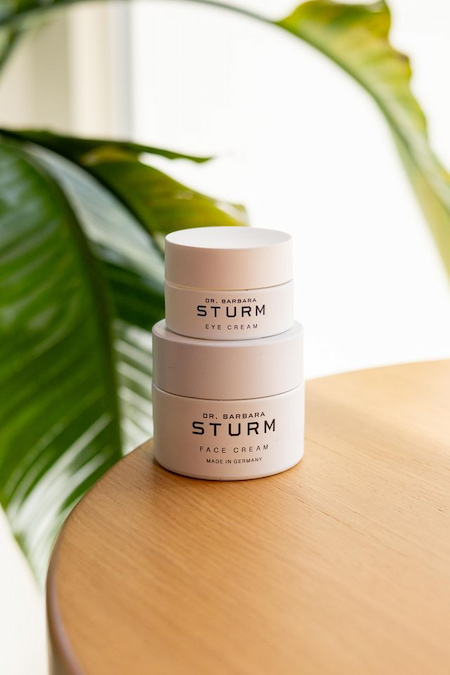
- Profhilo / skin boosters: injectable hyaluronic acid treatments designed to improve hydration and overall skin quality. They involve injections and should be performed by an appropriately qualified medical professional. Protocols vary, but Profhilo is commonly given as an initial course rather than a single facial-style treatment.
- Rejuran / PDRN: polynucleotide-based treatments that have become popular in the Korean-influenced Gulf market for skin quality and recovery. Most people need several sessions, and the exact number depends on the plan we set for your skin.
- Pico laser: a laser option for selected pigmentation and sun-damage concerns, with treatment settings and downtime depending on the skin and the area being treated.
- Clear + Brilliant: a non-ablative fractional laser treatment used for tone and texture, with relatively limited downtime compared with stronger resurfacing treatments.
Your 40s: Rebuild Collagen and Firmness
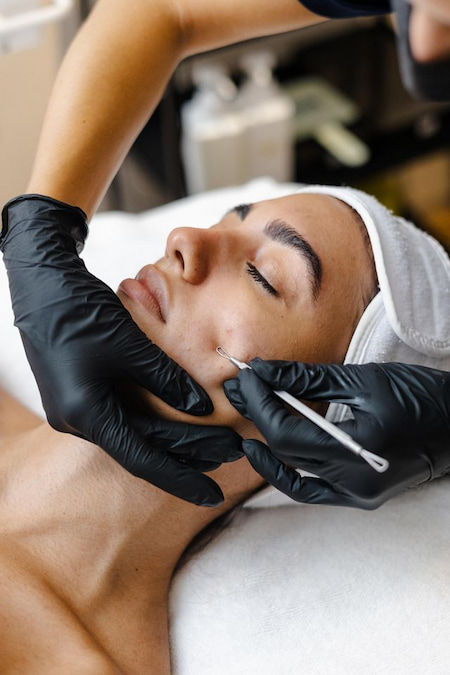
By your 40s, changes in collagen, elasticity and facial volume become more noticeable. Pigmentation can also become more persistent, particularly after years of accumulated sun exposure.
Facials still do an excellent job of managing texture, hydration and surface radiance, but they do not replace lost facial volume. That distinction matters when deciding what treatment to book.
Mesotherapy by SkinPen is a strong option when clients want to improve the appearance of texture, fine lines and early signs of laxity. A course of three to six sessions, spaced according to the treatment protocol and your skin's recovery, is a more realistic approach than judging the result after a single session. Results continue to develop after treatment as collagen remodelling takes place.
The Million Dollar Peel is another option for clients dealing with congestion, uneven tone or pigmentation who are suitable for a chemical peel. CRYO Contour can be useful for temporary depuffing and contouring, while LED and lymphatic drainage work well as supportive treatments.
Why Microneedling Earns Its Place After 40
Microneedling creates controlled micro-injuries in the skin, triggering the body's wound-healing response and supporting collagen and elastin remodelling. The improvement is gradual, so it makes more sense to assess the result after a full course rather than after one session.
It remains a useful treatment for texture, fine lines, acne scarring and early laxity when performed correctly and when the skin is suitable for treatment. If you’re deciding between different microneedling options, understanding the differences between treatments can help you choose the right approach for your skin. Read our guide to SkinPen vs. Dermapen to learn more.
Beyond The Facial: What A Clinic Offers In Your 40s
- Morpheus8 / RF microneedling: combines microneedling with radiofrequency energy and is generally considered when more intensive skin tightening is desired. It involves more downtime and cost than standard microneedling.
- HIFU or Ultherapy: non-surgical treatments used to address selected cases of skin laxity. They are not replacements for a surgical facelift, and the results build gradually rather than showing up overnight.
- Fraxel or fractional laser can help with certain texture and pigmentation concerns. Downtime varies depending on the device and how intense the treatment is.
- Pico laser: remains an option for certain pigmentation and sun-damage concerns. Melasma requires particular care because some energy-based treatments can trigger further pigmentation in susceptible skin.
- Fillers can restore lost volume, while PRP is used in some clinics as part of a broader skin-quality treatment plan. Both belong firmly in medical aesthetics rather than the facial category.
Your 50s and Beyond: Gentler, Not Weaker
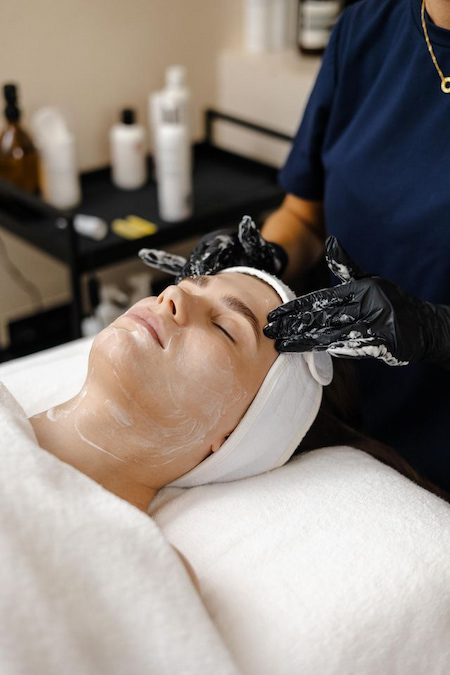
Hormonal changes around menopause often bring increased dryness, thinning, sensitivity and changes in texture. Some women also experience breakouts during this stage.
The common mistake is assuming that stronger treatment automatically means better results. When the barrier is more fragile, hydration, barrier support and consistent treatment often make more sense than constantly escalating intensity.
HydraFacial with hydrating boosters, CRYO Contour, LED therapy and lymphatic drainage become useful options for hydration, comfort, temporary depuffing and radiance. Superficial peels are often a better starting point than deeper ones when sensitivity is a concern. Hyaluronic acid, both in professional treatments and home care, supports hydration and helps the skin feel more comfortable.
Sensitivity Is The New Variable
A peel you tolerated well at 45 can feel too strong at 55 because your skin's barrier and sensitivity have changed. Treatment intensity, contact time and product selection should therefore be adjusted to the skin in front of you rather than your age alone.
If you have a history of sensitivity or reactions, discussing this with your practitioner before treatment is important.
Beyond The Facial: What A Clinic Offers In Your 50s And Beyond
- HIFU / Ultherapy and Thermage are non-surgical options for selected cases of laxity and loss of firmness.
- Fractional or CO2 resurfacing sits at the more intensive end of the treatment spectrum. Downtime varies significantly according to the laser, settings and treatment area, so it needs careful planning.
- Exosome-based treatments are still an emerging area. Evidence, products and protocols vary, so they are best discussed case by case with a qualified professional.
- Oxygen facials offer a gentler option when the main goal is hydration and radiance rather than resurfacing or tightening.
Aggressive resurfacing on thin or sensitised skin can work against your goals by triggering excessive irritation. Sometimes the smarter treatment is the one that gives your skin room to recover.
Which Facial Matches Your Decade
Frequently Asked Questions
What age should you start getting facials?
There is no minimum age for a basic cleansing facial. The right time to introduce collagen-stimulating or corrective treatments depends more on your skin concerns than on a specific birthday. For many people, these treatments become more relevant from the late 20s or early 30s.
How often should you get a facial?
There is no single schedule that works for everyone. Many facial protocols are performed around every four to six weeks, while others are spaced further apart. Your skin condition, treatment type, and recovery time should determine the schedule.
Is a HydraFacial worth it in your 40s and 50s?
Yes, if your priorities are hydration, congestion and radiance. A HydraFacial is not designed to replace lost facial volume or produce the same level of tightening as a medical aesthetic treatment, so expectations matter.
Do I need Morpheus8, or is microneedling enough?
Standard microneedling is useful for texture, early laxity, and scarring. RF microneedling adds radiofrequency energy for a more intensive approach to tightening, but it also involves more downtime and cost. Starting with the less intensive option makes sense when your concerns can be addressed that way, then reassessing after a complete course.
Not Sure Where to Start?
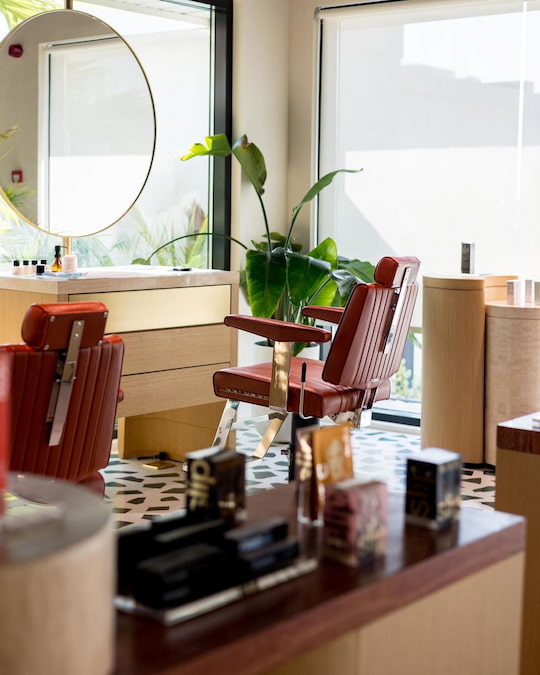
A short consultation is the easiest way to match a treatment to your skin, your goals, and your schedule. Rather than choosing a facial simply because of your age, we look at what your skin actually needs now.
Book a free consultation at one of Brau’s official studios in Dubai or Abu Dhabi.