Do you actually need SPF? Yes, especially here in the Gulf.
If you’ve just invested in a HydraFacial, Million Dollar Peel, or HydraPen treatment, that fresh glow and smoother texture can fade surprisingly fast under our intense sun. The UAE’s UV index regularly hits 10–13 in summer (and stays high even in winter), meaning the same rays that give us such beautiful blue skies can quietly undo the results you paid for. At Brau, we see this very often: clients who protect their skin with proper daily SPF keep their results longer, while those who skip it often notice dullness and pigmentation returning within days or weeks.
That’s why we believe SPF isn’t just another skincare step; it’s the deciding factor in whether your facial investment lasts.
Why the Gulf Sun Is a Different League
Living in the UAE means we’re closer to the equator, so the sun’s rays travel a shorter distance through the atmosphere and hit our skin with greater intensity. In summer, the UV index often reaches 11–13, classified as “extreme” by the World Health Organization. Even in winter, it stays between 6–8, which is still “high.”
Unprotected skin can start burning in under 15 minutes on a typical summer day in Dubai or Abu Dhabi. This isn’t mainland Europe or North America sun. It’s harsher, more direct, and far less forgiving, especially on skin that’s just been treated.
What SPF Actually Means (in 60 Seconds)
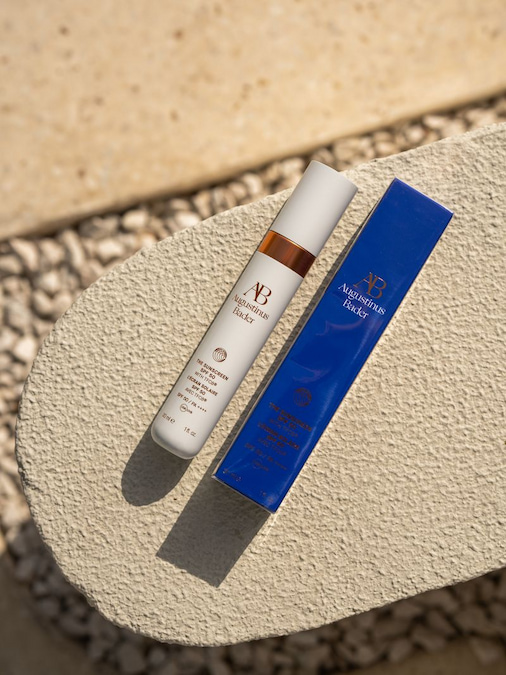
SPF stands for Sun Protection Factor. It mainly measures protection against UVB rays, which cause burning.
Here’s what the numbers mean in real life:
The difference between 30 and 50 is smaller than most people think, but broad-spectrum SPF is what matters. This ensures protection against both UVB (burning) and UVA rays (which penetrate more deeply and cause aging and pigmentation). In the Gulf, broad-spectrum is non-negotiable.
How Gulf UV Quietly Undoes Your Facial
This is the part most people don’t realise.
Right after a facial, whether it’s a HydraFacial that leaves your skin plump and glowing, a Million Dollar Peel that targets texture and radiance, or HydraPen microneedling that boosts collagen, your skin barrier is temporarily more sensitive. Freshly exfoliated or treated skin is more vulnerable to UV damage.
UVA rays penetrate deep and accelerate collagen breakdown. They also trigger melanin overproduction, leading to hyperpigmentation and melasma, the very issues many of our clients come in to treat. Without proper SPF, you’re essentially letting the Gulf sun reverse the benefits you just worked hard (and paid) for.
We’ve seen it too many times: a client loves their post-peel glow on day three, only for it to look patchy and dull two weeks later because they weren’t diligent with sunscreen. Daily broad-spectrum SPF locks in those results.
Choosing an SPF That Survives Gulf Heat & Humidity
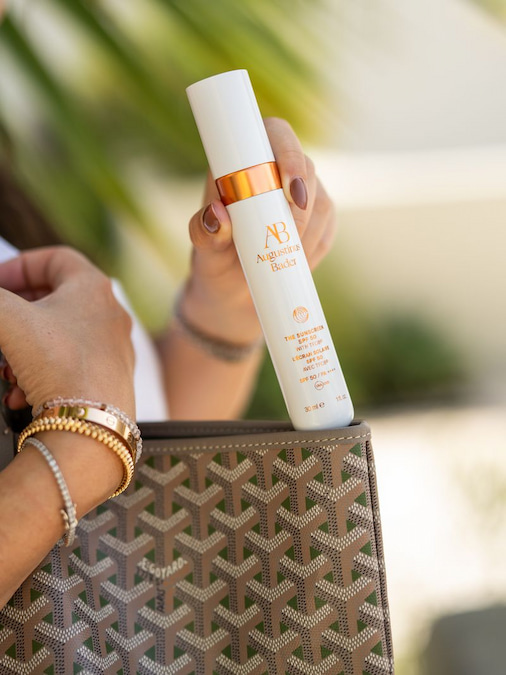
Not all sunscreens are created equal in our climate. In the UAE, you need something that can handle both desert dry heat and coastal humidity. Look for a sunscreen that ticks these boxes for our Gulf climate:
- Broad-spectrum protection that shields you from both UVA and UVB rays
- A lightweight, non-comedogenic formula, especially important if you have oily or combination skin, which is super common here
- Good water resistance that actually holds up to sweat and humidity
- Mineral-based filters like zinc oxide or titanium dioxide, particularly if you’ve just had a peel or microneedling. These tend to be gentler on freshly treated, sensitive skin.
Mineral vs. chemical sunscreens: both work, but mineral sunscreens tend to be better tolerated post-treatment. Many of our clients with oily skin love lightweight, matte-finish options that don’t feel heavy in 40°C+ weather.
Using It So It Actually Works
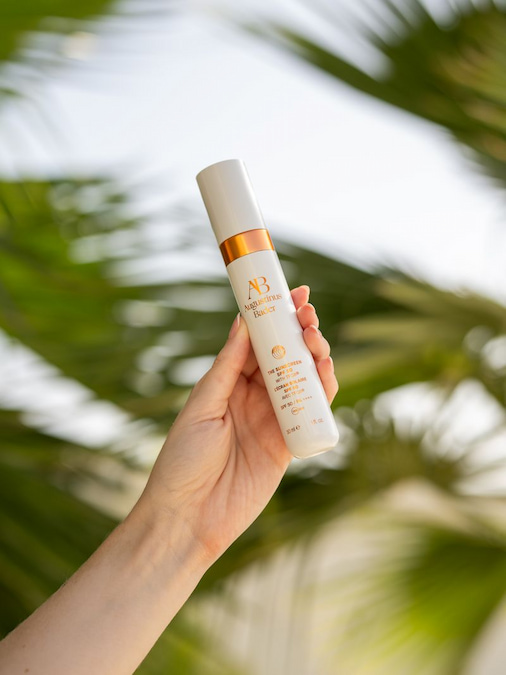
Knowing the right SPF is only half the battle; using it correctly is what makes the difference.
Apply sunscreen as the last step in your skincare routine (after moisturiser, before makeup). Use about a quarter teaspoon for your face, roughly two finger-lengths. Wait 15–20 minutes before going outside. Reapply every two hours when outdoors, or immediately after swimming or heavy sweating.
Yes, even if you’re mostly indoors. UVA rays pass through windows, and the intense reflected light in the Gulf (from sand, water, and buildings) still reaches you.
The Bigger Payoff: Beyond Your Facial
Protecting your facial results is the immediate win, but consistent SPF use brings longer-term benefits too. It helps slow premature ageing by protecting collagen, keeps skin tone more even, and supports overall skin health. The Skin Cancer Foundation notes that regular broad-spectrum sunscreen use can significantly reduce the risk of certain skin cancers over time.
At Brau, we want you to get the most out of every treatment. That glowing skin you leave with should still be there weeks later.
FAQ
Do you actually need SPF in winter in the UAE?
Yes, protection is essential year-round. Even in winter, our UV index often stays in the “high” range (6–8).
Is SPF 30 enough for Dubai?
SPF 30 offers decent protection when applied properly, but most dermatologists recommend SPF 50 in high-UV environments like ours, especially if you’ve just had a facial treatment.
Can I skip sunscreen if my foundation has SPF?
No. Makeup SPF is rarely enough and isn’t applied thickly enough. Always use a dedicated sunscreen underneath.
How soon after a facial can I wear sunscreen?
Usually from the next day. For stronger peels or microneedling, follow your practitioner’s specific advice. We often recommend gentle mineral formulas initially.
Does sunscreen stop me from tanning?
It reduces burning and damage while allowing some natural colour. But remember: a tan is actually a sign of DNA damage.
How often should I reapply sunscreen in the Gulf heat?
Every two hours when outside, and more frequently if sweating or swimming.
Book a Facial That Lasts
Ready to make your facial results last? Book a consultation at Brau and let our team create a personalised plan that includes the right post-treatment care and sun protection for the Gulf climate. Your skin will thank you.