If you live in the UAE, you’ve probably noticed that oily, congested skin is almost a given. Heat, humidity, sweat, and daily sunscreen can leave pores feeling clogged and the skin looking uneven. Salicylic acid is one of the first ingredients many people reach for and for good reason.
This guide walks you through the full spectrum, from a gentle 2% serum or cleanser at home all the way to a professional peel in a clinic. Whether you’re dealing with blackheads, breakouts, or just want clearer texture, you’ll see where each option fits and when it might be time to step up.
What Is Salicylic Acid?
Salicylic acid is a beta-hydroxy acid (BHA), which means it belongs to the group of chemical exfoliants. You’ll also see it listed as 2-hydroxybenzoic acid, and it comes naturally from sources like willow bark and meadowsweet.
The main difference between it and AHAs (such as glycolic or lactic acid) is that salicylic acid is oil-soluble. While AHAs mainly work on the surface, salicylic acid can penetrate the pores themselves. That is why it is so effective for congested, oily skin.
How Salicylic Acid Works on Your Skin
Once on the skin, salicylic acid slips into the pore lining and loosens the “glue” that holds dead skin cells together. It helps dissolve excess oil and debris so blackheads and whiteheads can clear from the inside of the pore. At the same time, it has a gentle calming effect on inflammation and supports natural cell turnover.
Over time, that usually means clearer pores, fewer breakouts, and smoother-feeling skin. Outside of acne, people also use it for things like keratosis pilaris, dandruff, and some forms of psoriasis.
Who Should Use It (and Who Shouldn't)

Salicylic acid works best for oily, acne-prone, congested, or bumpy skin. Because it is non-comedogenic, it does not clog pores further. In the UAE climate, where sweat, sunscreen, and humidity create the perfect conditions for congestion, it’s especially useful.
If your skin is dry, sensitive, or eczema-prone, introduce it slowly and buffer with plenty of moisture. Deeper skin tones (common across the UAE) should also start gently to reduce the risk of post-inflammatory hyperpigmentation.
People with very compromised barriers or known salicylate sensitivity should speak with a professional first.
The Product Spectrum: Serums, Cleansers, Toners & More
At-home products usually sit between 0.5% and 2%. Higher percentages belong in a clinic.
- Cleansers / face washes (0.5–2%) – Rinse-off, good for daily use and a gentle introduction.
- Toners (0.5–2%) – Leave-on, light exfoliation after cleansing.
- Serums (0.5–2%) – Most concentrated leave-on option for targeted results.
- Creams or gels (1–2%) – Useful for spot treatment or body areas.
- Body washes (around 2%) – Helpful for back and chest congestion.
Anything above 2% is generally reserved for professional peels performed by a trained skin therapist.
How to Use Salicylic Acid in Your Routine
Always patch-test first. Start two or three times a week in the evening and build up as your skin tolerates it. Apply after cleansing, then follow with a moisturiser and, in the morning, a broad-spectrum SPF, non-negotiable under the UAE sun.
Most people notice clearer pores within 4–6 weeks of consistent use. Some experience a short “purge” in the first couple of weeks as congestion comes to the surface; this usually settles.
What to Pair It With – and What to Avoid

Good partners include hyaluronic acid and ceramides to counteract dryness, and niacinamide to calm and even tone. Vitamin C works well if you alternate it (morning vitamin C, evening salicylic acid).
Avoid using retinol or benzoyl peroxide in the same routine on the same night; the combination can irritate. If you want both, alternate nights.
Side Effects & Safety
The most common side effects are dryness, mild tingling, or redness, especially if you start too strong or too often. Over-exfoliation can weaken the barrier and ironically lead to more breakouts.
Because salicylic acid can increase photosensitivity, daily SPF is essential. Rarely, applying high amounts over large areas can cause salicylate toxicity; stick to recommended amounts.
Topical salicylic acid is generally considered low-risk during pregnancy according to ACOG guidance, though it’s always safest to check with your doctor first.
Please note: this information is for educational purposes only and isn’t a substitute for personalised medical advice. Patch-test new products and consult a professional if you are pregnant, nursing, or taking medication.
When to Go Professional: Salicylic Acid Peels
Home products top out at around 2%. In-clinic salicylic acid peels use 20–30% and are applied by a trained skin therapist for controlled, deeper exfoliation. They work faster on stubborn congestion, acne scars, and those leftover dark marks after breakouts.
At Brau, we also have BioRePeel, a professional peel that mixes different acids for real clearance without much visible downtime. It’s a favourite for anyone who wants results but doesn’t want to deal with a long recovery.
Salicylic Acid vs. Other Exfoliation at Brau
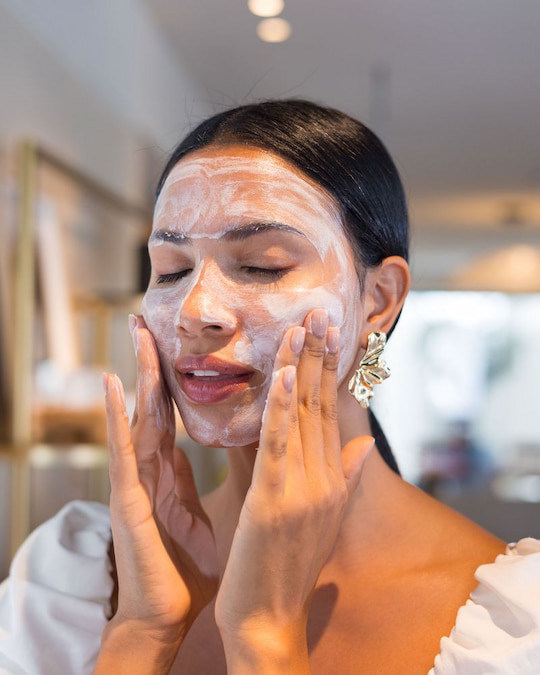
Salicylic acid (whether serum or peel) is ideal when the main issue is congestion inside the pores. Dermaplaning is a physical method that removes surface dead skin and peach fuzz, while microneedling works deeper on texture and scarring. Your skin therapist can help decide which approach or combination suits you best.
Curious how it compares? Why dermaplaning can supercharge your routine
Frequently Asked Questions
How to use salicylic acid on the face?
Start with a low percentage two to three evenings a week after cleansing. Follow with moisturiser and use SPF every morning. Build frequency only if your skin stays comfortable.
Does salicylic acid cause purging?
It can. As pores clear, existing congestion may come to the surface for a short time. This usually settles within a couple of weeks.
Can I use salicylic acid with niacinamide?
Yes. They pair well; niacinamide helps calm and support the barrier while salicylic acid works on congestion.
Can I use salicylic acid with retinol?
Better not in the same routine. Swap them on alternate nights so your skin doesn’t get irritated.
How long does salicylic acid take to work?
Most people notice clearer pores and fewer breakouts after about 4–6 weeks if they stick with it.
Is salicylic acid good for acne scars?
It can help soften mild textural scars and those leftover dark marks over time, especially when it’s used at higher strengths in a professional treatment.
Can salicylic acid cause acne?
Overuse can damage the barrier and lead to more breakouts. Stick to recommended strengths and frequencies.
The Bottom Line

Salicylic acid is a reliable, oil-soluble exfoliant that works from the inside of the pore outward. A good serum or cleanser is an excellent starting point for everyday congestion. When you need faster or deeper results, especially for stubborn acne, scarring, or pigmentation a professional peel performed by a trained therapist can take you further.
If you’d like personalised advice, book a skin consultation at Brau in Abu Dhabi or Dubai. We’re here to help you find the right step on the spectrum for your skin.