If you've ever woken up, looked in the mirror, and grabbed your brow pencil before you even had coffee, you know how exhausting that little daily habit can be. Most of us have been there, trying to make our brows look even, fuller, defined… only for everything to shift, fade, or smudge by lunchtime.
That’s exactly why semi-permanent brow treatments have become so popular, and why nanoblading (or nano brows, as many people call it) feels like such a game-changer for so many clients. It’s not about dramatic transformation; It’s about waking up with brows that already look soft, natural, and perfectly in place, brows that feel like yours, just on a really good day.
So let’s walk you through what nanoblading actually is, how it compares to other options, who it tends to suit best, and what the whole process really feels like.
What Is Nanoblading?
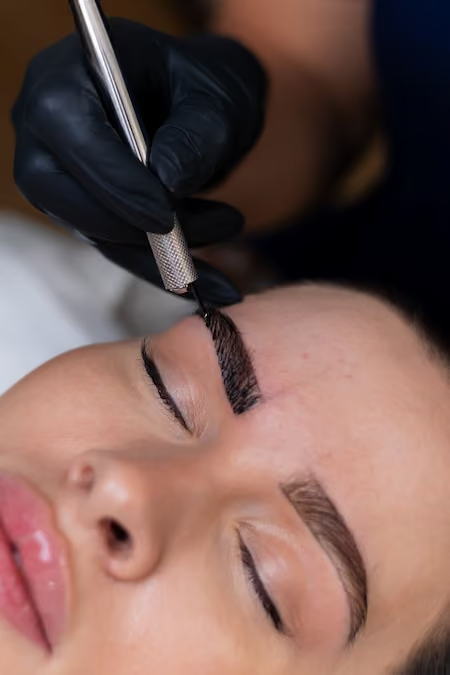
Nanoblading is a very precise form of semi-permanent makeup. We use a digital machine with an extremely fine needle, finer than a single hair, to place tiny strokes of pigment into the skin, creating the appearance of individual brow hairs. The magic is in the softness; these strokes are delicate, slightly varied in direction and depth, and they blend so naturally with your existing hairs that even up close, it’s hard to spot the difference.
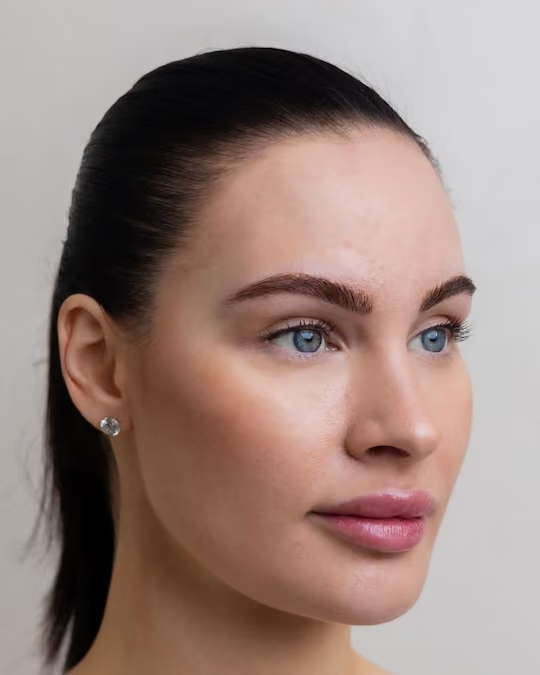
Most clients tell us the same thing after healing: “It just looks like I finally grew decent brows.”
It’s not about filling in a solid shape or creating a bold makeup effect; It’s about subtle texture, gentle fullness, and that effortless “I woke up like this” look.
How Nanoblading Compares to Microblading
People often ask: “Isn’t this the same as microblading?”
Not quite, although both techniques aim for hair-like strokes, the tools and results are noticeably different. With traditional microblading, we use a manual, handheld tool with a small blade to create the strokes. It gives crisp, defined lines that can look beautiful, especially on drier skin types, but on oilier or more textured skin, the strokes can sometimes heal a little softer or blur over time.
While nanoblading uses a digital pen instead, which gives us much finer control over pressure, depth, and angle. The strokes come out softer, more feathery, with natural variation, which is why so many people describe nano brows as looking “more real” than anything else they’ve tried.
A lot of clients also say the procedure itself feels gentler, because of the light vibration rather than the manual scratching motion.
If you’d like a more detailed comparison (including how each heals on different skin types), we’ve written a full breakdown here: Nanoblading vs Microblading: Which Is the Best Choice for Your Brows
Top Benefits of Nanoblading
Here’s what we hear most often from clients who choose nano brows:
- The softness is unmatched, the strokes look airy and believable, never heavy or drawn on.
- Color retention tends to be perfect; the pigment settles more evenly, so fading happens slowly and evenly.
- Most individuals find it more comfortable during the procedure.
- It’s incredibly versatile; we can keep it super soft and natural, or layer in a little shading for slightly fuller brows if that’s what you’re after, without it ever looking powdery.
- As the color fades over time, it stays soft and flattering rather than going patchy or too sharp.
Who Is the Ideal Candidate for Nano Brows?
Nanoblading really shines for so many individuals, especially for:
- Those with oily or combination skin (where microblading can sometimes heal blurrier or fade faster)
- People with thinner, more mature, or delicate skin that needs a lighter approach
- Anyone who’s dealing with sparse areas, over-tweezed tails, little gaps, or uneven density
- Clients who want realistic hair-stroke brows rather than a bold, filled-in makeup look
If your dream is to enhance what you already have, to look polished and defined without anyone guessing you’ve had anything done, this is often the technique that delivers.
How Nanoblading Works: Step-by-Step (What to Expect at Your Appointment)
At studio Brau, the process is calm, thorough, and surprisingly relaxing.
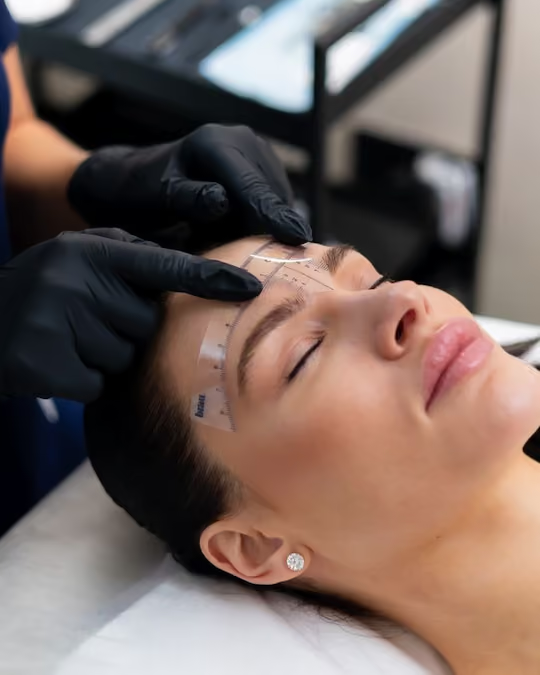
- Consultation + brow mapping
We assess your face shape, bone structure, eye positioning, natural hair growth direction, and facial symmetry. Then we talk about what you’d like: a soft feathered look, a gentle lift at the arch, more definition in the tail, whatever feels right for you. We also match the perfect pigment shade.
- Numbing + the technique
Once we’re both happy with the plan, we apply a strong numbing cream and let it sit for 20–30 minutes.
During the actual work, most clients feel only light pressure or a faint scratching sensation, nothing intense. The machine moves smoothly, placing each stroke carefully so everything flows naturally.
- Session length + touch-up
The first session usually takes about 1 to 1.5 hours.
Then, 6–10 weeks later, we do the perfecting touch-up (included in most packages). This is when we fine-tune anything that healed a little lighter, add density where needed, and make sure the color settles exactly the way we want.
How Long Nanoblading Lasts (And What Affects It)
On average, nanoblading lasts 12–24 months before the color softens enough that you might want a refresh.
How long it really lasts depends on your skin type, lifestyle, and how well you follow aftercare.
Things that can make it fade faster:
- Very oily skin
- Lots of direct sun without protection
- Using strong actives (retinoids, acids) right near the brows
- Regular saunas and heavy sweating.
Our advice is always the same: come in for the included perfecting session at 6–10 weeks, then plan a refresh every 12–18 months (or whenever the color starts to feel too light for you).
Healing Process and Aftercare
Healing is fairly straightforward, but it does require a little patience, especially in our climate.
Here’s the usual timeline:
- Days 1–3: Brows look darker and sharper than the final result (this is normal).
- Days 4–10: Very light flaking or tiny scabs may appear; don’t pick!
- Weeks 2–4: Color gradually softens and settles into something much more natural.
- Week 6+: You’ll see the true healed result, soft, believable, and ready for any adjustments.
Aftercare basics (these really matter):
- Keep the brows completely dry for the first 7–10 days, no water, no sweat, no swimming, no saunas.
- Apply the ointment we give you exactly as instructed.
- Sleep on clean pillowcases and try not to rub the area.
- Once healed, protect them from the sun (hat, high SPF) to help the color stay vibrant longer.
Final Thoughts: Are Nano Brows Right for You?
If you love the idea of soft, realistic hair-stroke brows that look like they grew that way, just fuller, better shaped, and effortlessly polished, nanoblading is often one of the most satisfying options available right now.
But here’s the truth: there’s no one “best” technique for everyone. The right choice always depends on your skin, your lifestyle, and what kind of look makes you feel most confident. That’s why I believe the most important first step is simply having a real conversation about it.
If you’re curious whether nanoblading (or something else) might be right for you, I’d love for you to come in.
Our free brow consultation is relaxed, no-pressure, and genuinely tailored to you. We’ll map out your perfect brows, talk through every option, and help you decide what feels best.
Book whenever you’re ready. Here’s to brows that finally make mornings easier and to feeling good in your own skin every single day.