Most people rate microblading between 2 and 4 out of 10 on the pain scale. It feels more like a light scratching sensation and gentle pressure than sharp pain. You will feel something, but the anticipation is often worse than the actual sensation. With proper numbing, most clients find the discomfort manageable. The goal of this guide is to give you a clear, honest picture so you can walk into your microblading appointment feeling prepared rather than expecting the worst.
The Honest Answer: What Microblading Actually Feels Like
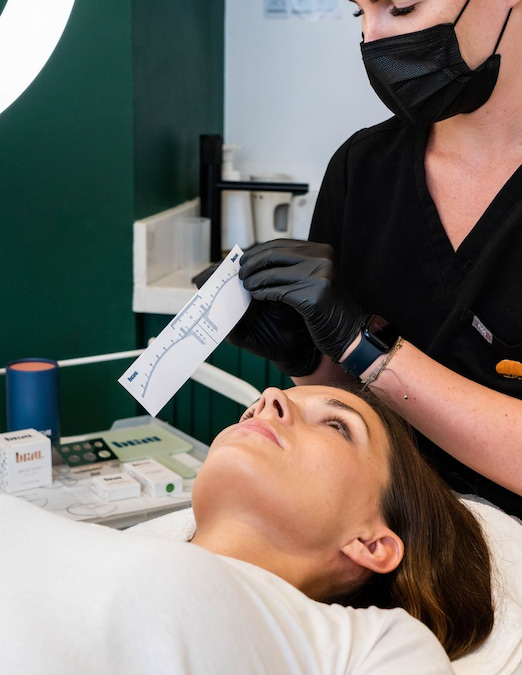
Most clients describe it as gentle pressure and light scratching rather than the sharp sting they expect. Near the brow bone, you may hear a faint scraping as the blade moves, a bit like walking on dry leaves or compacted snow. You will notice the sensation, and while the procedure is not completely painless, it rarely reaches the level of discomfort associated with a traditional tattoo.
Pain tolerance varies from person to person. Someone who finds it easy often experiences minimal discomfort, while someone more sensitive may notice the scratching sensation more, especially during the first few minutes before the secondary numbing takes full effect. At Brau, artists often hear nervous clients say afterwards, “That was nowhere near as bad as I imagined.” The key is effective numbing, an experienced artist who checks in regularly, and realistic expectations. Because microblading is a cosmetic treatment that involves the skin, some level of sensation is expected.
Does It Hurt More Than A Tattoo?
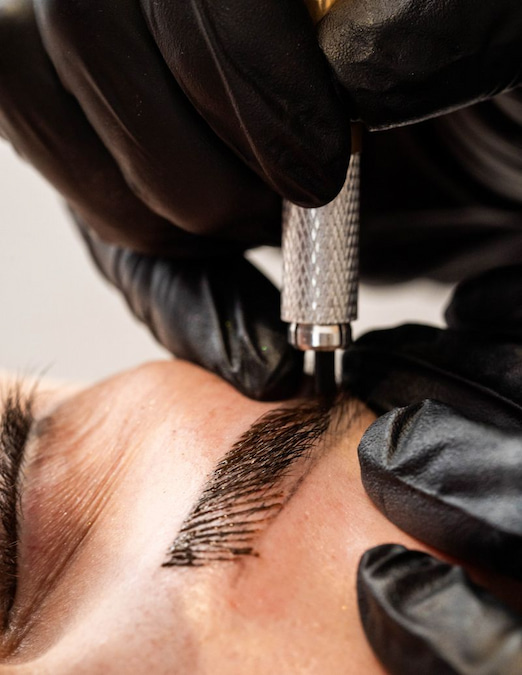
Usually less. A traditional tattoo machine drives ink deeper into the skin with a motorised needle. Microblading uses a manual blade that stays in the upper layers of the skin, depositing pigment in fine, hair-like strokes. Because the depth is shallower and the tool is controlled by hand rather than a vibrating machine, the sensation stays lighter and more superficial. Most people who have had both say the brows felt milder and more controlled. That said, everyone’s experience is personal; if you found tattoos very uncomfortable, you may still prefer extra pauses and top-ups of numbing during microblading.
How Numbing Works: The Two-Stage Protocol
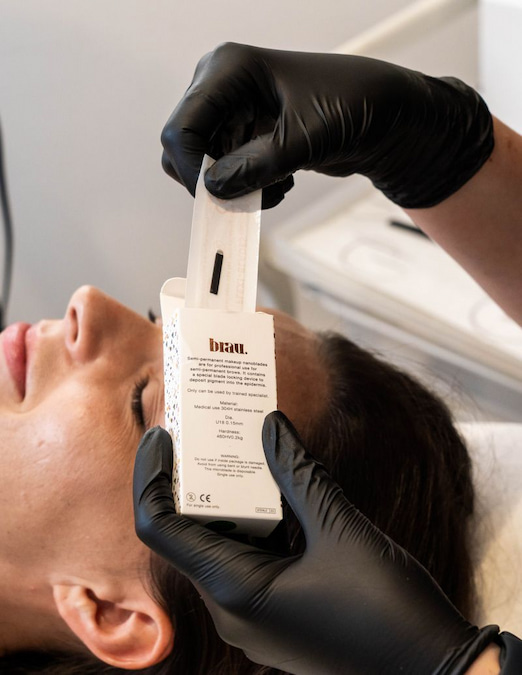
Comfort depends on how numbing is managed. Modern microblading typically uses a two-stage approach rather than a single application of numbing cream.
Stage one involves applying a topical numbing cream to intact skin. It generally takes 20–30 minutes to take full effect, so appointments usually begin with this waiting period. The cream helps reduce the initial sensation when the first strokes begin. Once the skin has been gently opened during the procedure, a secondary liquid anaesthetic may be applied directly to the treated area. Because it is applied after the skin has been opened, it is often able to take effect more quickly. As a result, many clients find the treatment becomes more comfortable as it progresses. The first few minutes are often when the sensation is most noticeable; after that, the secondary numbing usually helps make the experience more comfortable.
At Brau, every session begins with a numbing cream, and your artist will monitor your comfort throughout the 1½–2-hour appointment. If appropriate, they can pause and apply additional numbing. There is no pressure to push through discomfort; the priority is to help you remain as comfortable as possible while each stroke is placed carefully and precisely.
What If I Skip Numbing, Or It Doesn’t Work On Me?
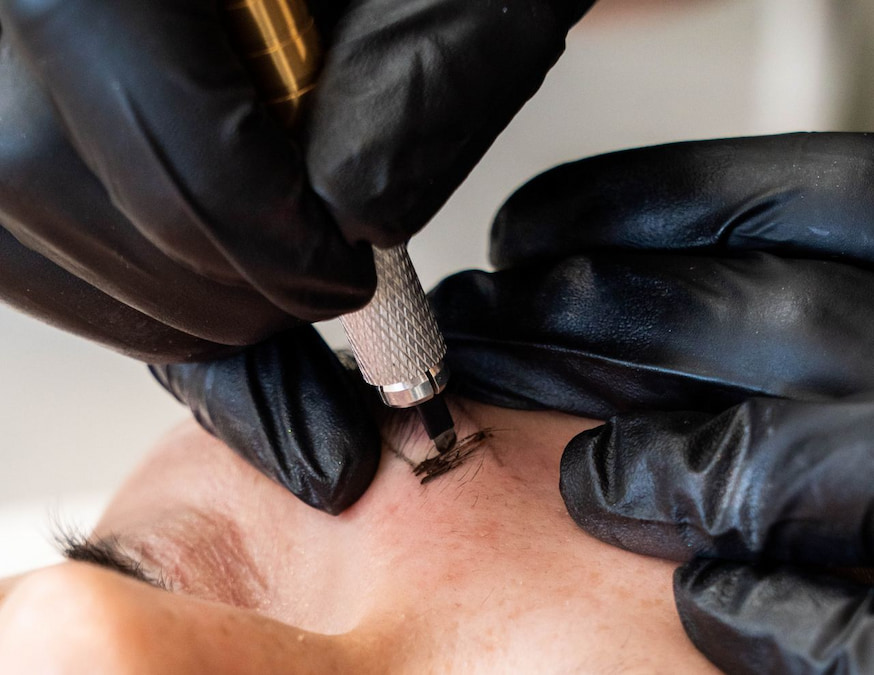
Without numbing cream, the sensation is noticeably stronger, repeated light scratching that can build into a sunburn-like burn as the same area is worked over. It’s possible, but rarely recommended. Numbing occasionally underperforms on very oily skin (the cream can sit on the surface rather than absorb), after heavy caffeine, or when anxiety is high, and the body is already in a heightened state. A good artist simply re-applies rather than pushing through. If you know you have a history of numbing products not working well on you, mention it at the consultation so the artist can plan extra time and product.
Things That Change How Much It Hurts
A few everyday factors can make a noticeable difference to your comfort during the procedure:
- Avoid caffeine for 24 hours: Caffeine stimulates the nervous system and may slightly thin the blood, making you more sensitive to the procedure.
- Avoid alcohol for 24 hours: Alcohol can increase bleeding, which may reduce the effectiveness of the numbing and affect pigment retention.
- Pause blood-thinning medications and supplements (if approved by your doctor): Aspirin, ibuprofen, fish oil, and similar products can increase the risk of bleeding. If your doctor is fine with it, skip them for 48 hours before your appointment.
- Pause the strong actives in your skincare: retinol, retinoids, AHAs and BHAs, exactly as your pre-care notes say, so your skin stays calmer.
- Try to get a decent night’s sleep and keep stress low. You’ll feel the difference on the day.
The one factor you cannot control is your individual sensitivity to skin and nerves. Everything else is something you can prepare for to help make your appointment as comfortable as possible.
What Happens After: Pain During Healing
Day 0–2 usually brings mild tenderness, light redness, and a tight, sunburn-like feeling. By days 3–10, the itching and flaking begin; this is the part most people find more annoying than the appointment itself. Full surface healing takes about 10–14 days; the colour continues to settle for 4–6 weeks.
In Dubai, the real aftercare challenges are heat, sweat, gym sessions, pools and beach days. Keep the area dry and protected as instructed. Watch for spreading redness, pus or worsening pain; these are signs to contact your artist or a doctor promptly.
Does the Touch-Up Session Hurt More or Less?
The perfecting session at 4–6 weeks is shorter and covers less surface area, so most clients find it milder. A few notice slightly more sensitivity on freshly healed skin, but overall the reduced workload usually wins. It is still done with the same two-stage numbing approach.
Microblading vs Nano Brows vs Powder Brows: Which Hurts Least?
Although all three treatments use numbing, the sensation can vary slightly depending on the technique:
- Microblading (manual blade): Often described as a light scratching sensation created by the tiny, hair-like cuts.
- Nano brows (machine with a single fine needle): Typically feel more like a gentle buzzing or vibration. Many clients find this to be the most comfortable option.
- Ombre or powder brows: Usually feel somewhere between microblading and nano brows. The shading technique covers a larger area while remaining relatively superficial.
All three are forms of semi-permanent makeup, and each uses numbing to help minimise discomfort. The main differences lie in the application technique and the final result, whether that is crisp, hair-like strokes or a soft, powder-filled finish.
Very Low Pain Tolerance or Scared of Needles? Read This
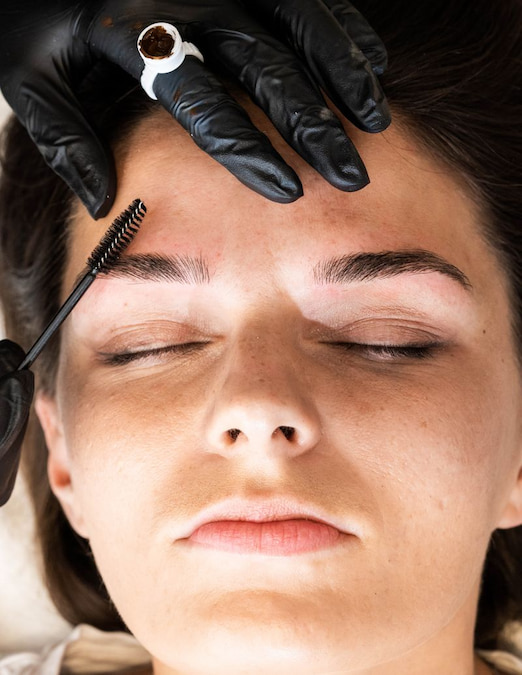
If you have postponed booking for years because of needle anxiety or a low pain threshold, you are not alone. The artist can pause whenever you ask. Extra numbing is always available. Nothing happens without a clear warning first. A consultation lets you sit down, ask every question, and decide only when you feel ready. The fear is valid; the process is designed to respect it.
Microblading in Dubai: What to Expect at Brau
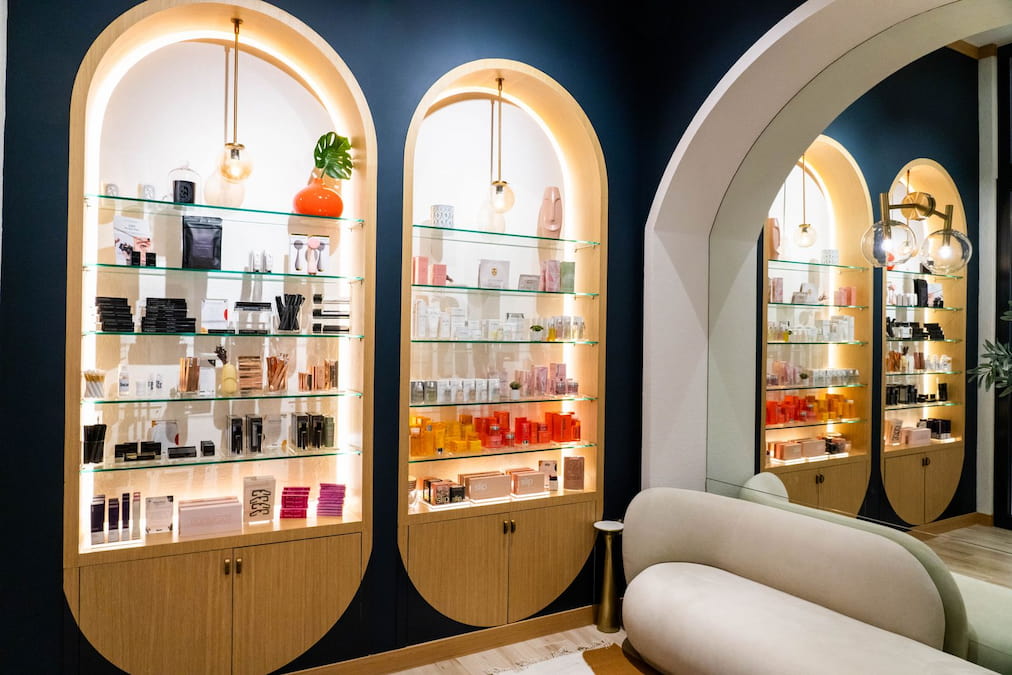
At Brau, the session begins with a thorough consultation and shape design, followed by numbing cream and the microblading itself. Appointments typically last 1½–2 hours. The same careful approach is offered at both Dubai and Abu Dhabi locations. If you would like to talk through comfort concerns before committing, a consultation is the easiest next step.