If your brows suddenly feel crispy, look wavy, or seem to be sticking straight up after a brow lamination, it's natural to worry. The good news is that over-processed brows are more common than many people realize, and in most cases, the damage isn't permanent. In this guide, we'll help you understand how to tell whether your brows are simply dry or genuinely over-processed, what to expect during recovery, and how to care for them without falling for quick-fix myths.
First: Is It Actually Damaged, Or Is It Just Brow Shock?
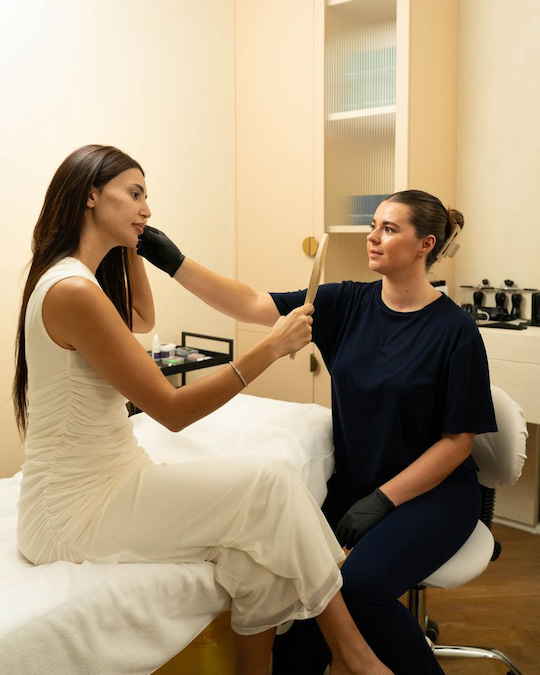
Many people experience “brow shock” in the first few days. The hairs feel soft, but the shape looks unusually bold, fluffy, or upright simply because you’re not used to seeing them that way. This usually settles within three to five days as the hold softens slightly and your eye adjusts.
True over-processing is different. The texture of the hair itself has changed; it feels dry, brittle, straw-like, or unusually stretchy. If the hairs snap when you brush them or refuse to lie flat no matter what you do, you are dealing with damage rather than adjustment.
The 8 Signs Your Brow Lamination Was Over-Processed
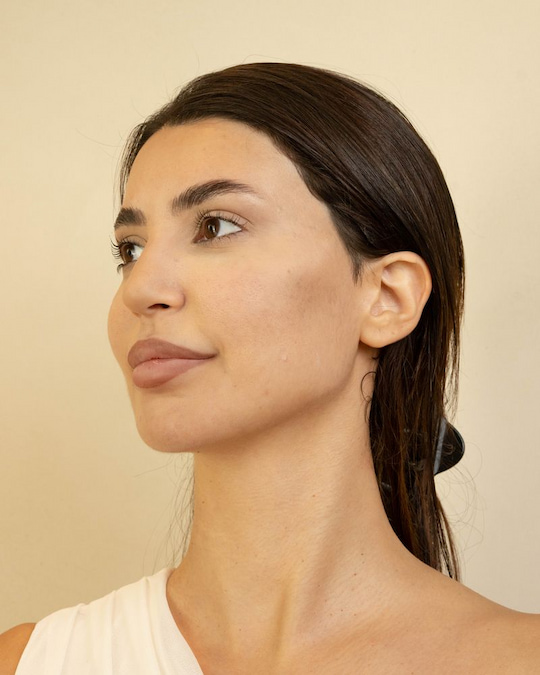
- Crispy, straw-like texture
- Wavy or kinked hairs instead of a smooth lift
- Hairs that snap or break when brushed
- Visible gaps or thinning, especially at the head or tail of the brow
- Persistent frizz that will not lie flat
- A limp lift, the brows no longer hold any shape
- Orange or brassy tint (if colour was applied)
- Redness, itching or flaking of the skin under the brows
Why The Ends Of Your Brows Look Worse
The hairs at the front and tail of your brows are naturally finer and more delicate than those in the middle. Because of this, they tend to become over-processed first, even while the thicker hairs in the centre are still developing. That's why signs of damage often appear most noticeably at the beginning and ends of the brows.
What Actually Happened To Your Hair (The 60-Second Science)
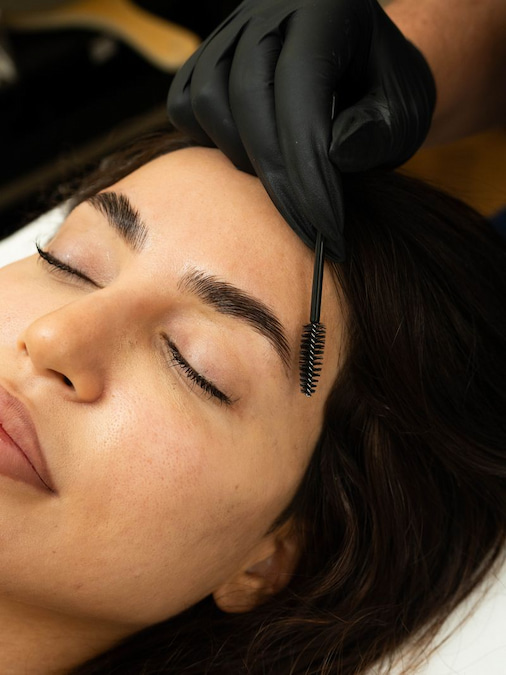
Brow lamination works in three main steps. First, a lifting solution, often containing ingredients such as thioglycolic acid, cysteine, or cysteamine, softens the hair by breaking down the bonds that give it its natural shape. The brow hairs are then brushed into their new position before a neutralising solution is applied to lock them in place.
Over-processing happens when those bonds are broken down too much or when the neutralising step is rushed or incomplete. As a result, the hair loses strength and flexibility, so the brows can feel dry, brittle, or hard to manage.
The 5 Reasons Brow Lamination Goes Wrong
Most cases of over-processed brows are caused by one or more of the following:
- The processing solution was left on for too long for your hair type.
- The product wasn't fully removed from the brows using the correct wet removal method.
- The neutralising solution was removed too soon or didn't have enough time to fully set the new shape.
- A brow tint or henna was applied immediately after the lamination.
- The brows were laminated again too soon after a previous treatment, waxing, or threading.
In most cases, the issue comes down to technique or timing rather than a problem with your natural brows.
What To Do In The First 24 Hours
- Rinse the brows gently with cool water only, no cleanser.
- Avoid oils, makeup, serums, or any other products on the area.
- If the skin is red, apply pure aloe or a cool compress.
- Brush very gently downward with a clean spoolie; do not tug.
- Take a clear, straight-on photo for your records.
Do not try to re-perm, apply another chemical product, or tweeze aggressively.
Can You Undo Brow Lamination?
No, you cannot chemically reverse the bond change that has already happened. What you can do is soften the hold faster and repair the hair. Water, gentle cleansing, and light steam all help the set relax more quickly.
Ignore any advice online that suggests applying more perming solution to “fix” it. That almost always turns mild damage into breakage.
The 30-Day Brow Recovery Plan
Week 1
Focus on hydration. Apply castor oil or jojoba oil every night, and use a keratin or bond-repair treatment twice a week. Avoid styling products, heat, tinting, or anything that could put additional stress on the hairs.
Week 2
Continue with the hydration routine and begin gently brushing your brows once a day with a clean spoolie. A lightweight brow gel can help hold the hairs in place while they recover, if you feel you need it.
Week 3
If a few stray hairs need tidying, stick to careful tweezing only. Skip waxing or threading for now; the hairs are still recovering and can break more easily than usual.
Week 4
Take another look at your brows. By now, most mild cases of over-processing will have improved significantly and should feel much closer to normal. Continue applying oil if the hairs still feel dry or rough until their texture has fully recovered.
How Long Until Your Brows Fully Recover?
Brow hairs have a short active growth phase of roughly 30–45 days, and the full replacement cycle is about three to four months. Damaged hairs are therefore replaced faster than scalp hair.
- Mild over-processing: 2–4 weeks
- Moderate: 6–8 weeks
- Severe with noticeable breakage: 3–4 months
Patience is more effective than another chemical treatment.
Fixing Brassy Or Orange Brows After Lamination
Lamination opens the cuticle, so tint takes quickly, and warmer pigments can dominate while cooler tones strip out. The safest correction is a short, carefully timed ash-toned tint applied by a professional, usually only one to two minutes. Avoid any re-tinting within seven days of noticeable damage, and never use a standard box dye on brows.
Burning, Redness Or A Rash – When It’s A Reaction, Not Over-Processing
An immediate sting that settles within a few hours is usually chemical irritation from the solutions. Delayed itching, swelling or flaking that appears 12–48 hours later is more likely an allergic reaction, often to the tint (sometimes linked to PPD) rather than the lamination itself. Spreading redness, blistering or significant swelling should be checked by a doctor.
When To Book A Professional Correction
Consider a professional assessment if:
- You can see clear gaps or hair loss
- Texture has not improved after two weeks of careful home care
- The unevenness is affecting how you feel day to day
- There is any ongoing skin reaction
A correction appointment typically includes a full assessment, a bond-repair treatment, gentle reshaping with mapping (and tint if appropriate), and a clear written plan for when it is safe to laminate again. Some cases simply need time rather than further intervention.
If you would like an experienced eye on your brows, Brau offers free consultations.
When Can You Laminate Your Brows Again?
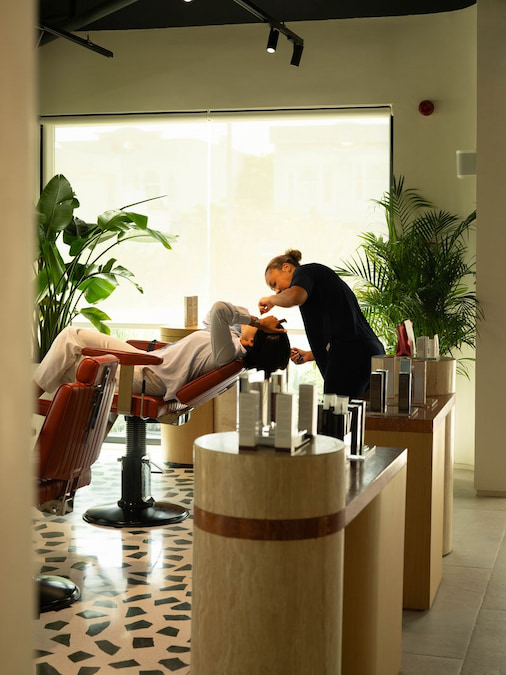
The minimum gap is six weeks, but after over-processing, it is wiser to wait eight to ten weeks and only proceed if the hair feels strong and passes a gentle stretch test. A softer “baby” lamination or refresh can be an option once the hair has recovered.
Get Personalised Advice From Brau
The good news is that over-processed brows can recover. With time and consistent care, the hair gradually regains its strength, new, healthy hair grows in, and the texture continues to improve. While it can be tempting to look for a quick fix, patience is almost always the best treatment.
If you’re unsure how severe the damage is or would like clear professional guidance, book a free brow consultation at Brau. Our artists will assess your brows, walk you through a recovery plan, and advise when it’s safe to book brow lamination again.