Ever caught yourself staring at the mirror, irritated by those patchy areas that refuse to match the rest of your complexion? Those dark spots creep up on so many of us, particularly here in the UAE, where the sun never takes a break. They pop up after too much time outdoors, hormone shifts, or even old blemishes healing the wrong way. This guide walks through hyperpigmentation: what actually causes it, the main types, and the treatments that tend to make a real difference. By the end, you should feel clearer on what might suit your skin and how to move forward.
What Is Hyperpigmentation and Why Does It Happen?
Hyperpigmentation happens when your skin cells go into overdrive and produce too much melanin, the natural pigment that gives your skin its color. The result? Darker patches or spots that often show up first on the face, though they can also appear on your hands, arms, or anywhere else that gets regular sun. It doesn’t cause any physical discomfort, but it can quietly knock your confidence and make you feel self-conscious about your skin.
A few everyday triggers tend to set it off. Strong UV exposure is the biggest one; it basically tells your skin to create extra pigment as a built-in shield against the sun.
Types of Hyperpigmentation: Melasma, Sunspots, and PIH
- Dark spots come in different forms, and telling them apart makes choosing care much easier.
- Melasma appears as larger, symmetrical brownish patches, most commonly on the cheeks, forehead, and upper lip (that classic “mustache” area).
- Hormonal changes are a big trigger, which is why it’s much more common in women, especially during pregnancy, while on birth control, or during other hormonal shifts.
- Sunspots, or age spots and solar lentigines, appear as flat brownish marks built up from ongoing UV exposure. They cluster on the face, hands, and shoulders, the everyday dark spots on the face that many see as years pass.
- Post-inflammatory hyperpigmentation (PIH) lingers after skin bounces back from breakouts, eczema, or small injuries. These marks hang around longer in richer skin tones. Knowing exactly what you’re dealing with points you toward smarter solutions.
Why Hyperpigmentation Is Especially Common in Dubai
The UAE climate creates ideal conditions for pigmentation concerns. With strong sunshine throughout much of the year, even routine daily activities can mean a lot of UV exposure. Together with the city's diverse mix of skin tones, this helps explain why so many people seek treatment for pigmentation. When paired with daily sun protection, professional treatments can make a noticeable difference over time.

8 Best Treatments for Hyperpigmentation and Dark Spots
No treatment works perfectly for every person. The best hyperpigmentation treatment matches your specific dark spots, skin tone, how deep the pigment sits, budget, and how much recovery time you can fit into your life. Some prefer simple daily steps, others go for faster clinic visits. Many people tend to combine both. Here’s a straightforward look at eight options that help treat hyperpigmentation and dark spots.
Chemical Peels
Chemical peels work by applying measured acids that lift off the outer layers of pigmented skin, making room for newer, brighter skin below.
Common choices include glycolic acid, a go-to AHA for lighter brightening, along with salicylic, lactic, or TCA for deeper needs. They handle melasma, sunspots, and blotchy tone quite well. Professional versions like the Million Dollar Peel or BioRePeel mix the exfoliation with extra hydration and calming ingredients.
Milder peels might leave slight flaking for a day or two. Stronger ones ask for up to a week of careful aftercare. Many see steady improvement after several sessions spaced apart. A chemical peel for pigmentation often acts as a solid base for bigger changes.
Laser Treatments (Pico, Nd: YAG, Fractional)
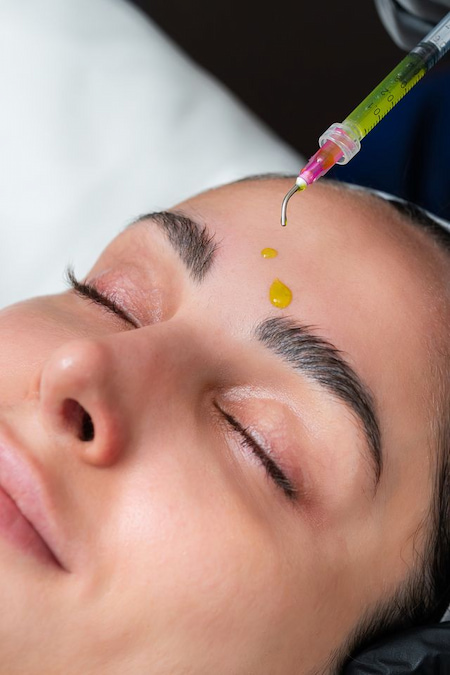
Laser for hyperpigmentation sends precise light straight at melanin clumps, breaking them down so the body can clear the fragments naturally.
The Pico laser uses incredibly fast pulses that limit heat, which makes it workable for more skin types and keeps recovery shorter. Nd: YAG laser goes deeper while staying safer on darker skin. Fractional types create tiny treatment zones that also encourage collagen growth, leaving skin smoother overall.
You usually need a few appointments, followed by a few days of redness or light peeling. When hyperpigmentation runs deep or refuses to fade, these often bring noticeable shifts.
IPL (Intense Pulsed Light) Therapy
IPL spreads broad light across several wavelengths at once to catch both pigment and any redness. Unlike single-beam lasers, it works nicely on sunspots, age spots, and general tone, especially for lighter complexions.
BBL (BroadBand Light) gives a more modern take on the same idea. Most plans run three to five visits. Darker Fitzpatrick skin types need extra attention to stop any worsening. It does surface pigmentation treatment well, but might not lead to heavy melasma.

Microneedling
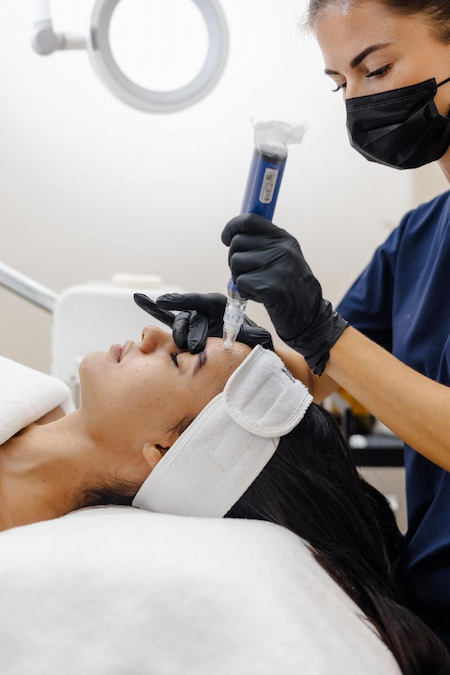
Tiny controlled punctures from devices like SkinPen or HydraPen wake up the skin’s repair mode. Alongside boosting collagen, it creates tiny channels in the skin that allow brightening ingredients to absorb more effectively.
The method shines particularly for post-inflammatory hyperpigmentation and milder melasma. Adding PRP (Platelet-Rich Plasma) or vitamin C can heighten the results. HydraPen and mesotherapy by SkinPen blend in easily. Most people only deal with a day or two of mild redness afterward. Over the full course, skin often ends up firmer, calmer, and more uniform.

LED Light Therapy
LED Light Therapy is a gentle, non-invasive treatment that helps manage pigmentation concerns. This treatment uses green light to help reduce excess pigmentation. There's no downtime afterwards, and it can fit easily into a broader treatment plan alongside peels or microneedling. When incorporated into a consistent treatment plan, regular LED sessions can help support and maintain the results of skin pigmentation treatments.

Mesotherapy (Injectable Brightening)
Mesotherapy pushes a blend of vitamins, glutathione, vitamin C, tranexamic acid, and hyaluronic acid right into the deeper skin layers. Working from inside helps fade melasma and lift general dullness.
Four to six sessions usually form the basic plan. It attracts people who want internal support without lots of surface peeling.
Topical Treatments (OTC & Prescription)
Every day creams and serums give steady, quiet progress for how to remove dark spots on the face and how to get rid of hyperpigmentation.
Ingredients that are often recommended for pigmentation include vitamin C, niacinamide, retinoids, kojic acid, azelaic acid, and glycolic acid. Each works a little differently, which is why they're often combined in a treatment plan. Hydroquinone works powerfully but calls for professional supervision because of the rules and possible longer-term effects. Tranexamic acid has become popular for melasma in particular. When used regularly, they help hold onto gains between clinic visits.
Microdermabrasion & HydraFacial
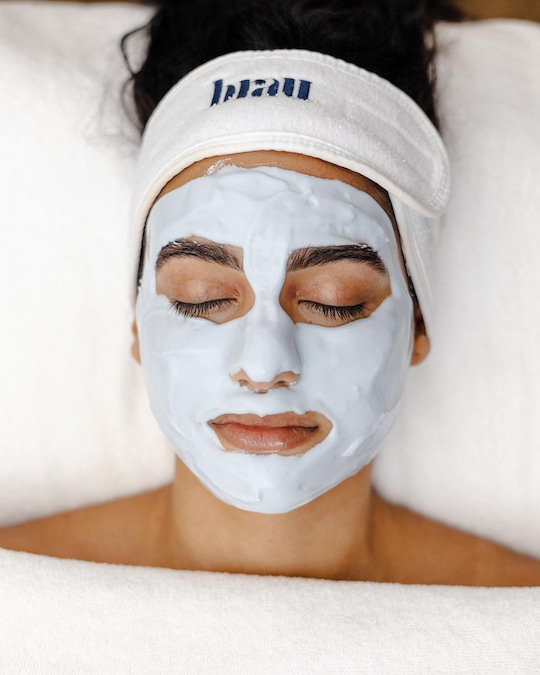
These gently buff away surface pigment through light physical exfoliation. HydraFacial steps it up by pulling out impurities and flooding skin with helpful serums for hydration and a quick glow.
They fit mild sunspots, overall tired skin, and keep results fresh between heavier treatments. The experience brings real pigmentation removal benefits with almost zero downtime and skin that feels soft and lively right away.
Which Treatment Is Right for Your Skin Type and Concern?
Your skin’s story decides the best route, so sitting down with a professional for assessment makes sense.
Melasma on the face frequently improves with chemical peels, mesotherapy, specific topicals, and serious sun protection. Sunspots clear up nicely using IPL or Pico laser on lighter skin and Nd: YAG for deeper tones. Post-inflammatory hyperpigmentation does well with microneedling alongside LED or soft peels. Simple dullness or light dark spots on the face often start improving with HydraFacial and reliable daily topicals.
Hyperpigmentation treatment for dark skin needs extra thought. Before recommending a treatment, practitioners usually look at your Fitzpatrick skin type. Treatments such as Pico laser, Nd:YAG laser, and gentler peels are often preferred because they're less likely to trigger further pigmentation. The best treatment for hyperpigmentation on the face lines up with your daily reality and skin background.
How to Prevent Hyperpigmentation from Coming Back
Making improvements last means building solid daily habits.
Slather on broad-spectrum SPF 30+ every morning and top it up often when outside; especially important under Dubai’s strong rays. Add a vitamin C serum for daytime protection. Stop yourself from picking at spots to avoid fresh PIH. Reach for hats and shade during the hottest hours. Maintenance facials every four to six weeks help everything stay steady.
Real defense against UV exposure keeps dark spots on the face quieter over time.
Book Your Facial at Brau

Tackling hyperpigmentation or melasma means investing in feeling good about your skin every single day. A plan built around life in the UAE can genuinely change how your complexion looks and behaves.
Brau focuses on careful, experienced care that fits local conditions. At your consultation, you can learn more about treatments such as the Million Dollar Peel, HydraPen, LED Light Therapy, BioRePeel, and HydraFacial and decide which one feels right for you.
Skin holds plenty of room for improvement. Reach out when you feel ready to take the next step.